For people with sensitive skin, the way clothes are washed can make a noticeable difference to everyday comfort. Detergent residue, heavily scented products, fabric softeners, damp clothing and poorly maintained washing machines may all be worth considering when building a gentler laundry routine.
The good news is that washing clothes for sensitive skin does not have to be complicated. A few practical habits can help: choose suitable laundry products, avoid unnecessary fragrance, use the right temperature, rinse thoroughly and dry clothes completely.
This guide explains how to create a skin-friendly laundry routine at home or in a self service laundry. It also includes useful advice for families, students, tourists and people living in apartments around Dublin 1.
Why Laundry Habits Matter for Sensitive Skin
Clothing stays in close contact with the skin for hours. Bedding, towels, underwear, workwear and sports clothing can be especially important because they may be worn for long periods or come into contact with perspiration.
Some people with sensitive skin prefer to avoid strongly perfumed detergents, fabric conditioners and scent boosters. These products can leave fragrance compounds or other ingredients on fabric. Excess detergent can also leave detergent residue, particularly when a machine is overloaded or when too much product is used.
A skin-friendly laundry routine should focus on reducing unnecessary build-up while still providing effective laundry hygiene. This means washing items thoroughly, using clean machines and making sure clothes are fully dry before storing or wearing them.
Step 1: Choose a Suitable Laundry Detergent
The detergent you use is one of the most important parts of a sensitive-skin laundry routine. Look for a product labelled:
- Fragrance-free or unscented
- Suitable for sensitive skin
- Dermatologically tested, where relevant
- Free from added dyes, if this is a personal preference
- Designed for the type of clothing and washing machine being used
“Fragrance-free” and “unscented” are not always identical terms, so read the product label carefully. If you already know that certain ingredients cause discomfort, check the full ingredient information where available.
Using more detergent does not necessarily make clothes cleaner. In fact, excess product may be harder to rinse away and can increase the chance of residue remaining in fabric. Follow the dosage instructions and adjust the amount according to the load size and water hardness.
At Self Service Laundry, free eco-friendly detergent and softener are included in every wash. If you have sensitive skin, check the product information and machine instructions before starting. If the machine allows you to leave out softener, that may be preferable if you are trying to minimise scented products. Avoid adding extra detergent or softener beyond what is provided.
Step 2: Be Careful with Fragrance and Fabric Softener
Many laundry products are designed to make clothes smell strongly fresh. However, a powerful scent is not a sign that clothes are cleaner. For people with sensitive skin, it can be useful to keep the routine simple and avoid unnecessary fragrance.
Fabric softeners can make clothes feel smooth, but they may leave a coating on fibres. This can be less suitable for certain items, including towels, sportswear and moisture-wicking fabrics. Scent boosters and fragranced dryer sheets may also add another layer of product to clothing.
Consider the following approach:
- Avoid adding extra scented products.
- Use only the recommended amount of detergent.
- Do not mix several fragranced laundry products.
- Wash new garments before wearing them.
- Pay particular attention to underwear, sleepwear and bedding.
If you use the self service laundry at Unit 5 Jervis Street, Dublin 1, follow the instructions displayed on the machines. The facility provides detergent and softener with every wash, so there is no need to bring or add additional products unless the machine guidance specifically permits it.
Step 3: Sort Clothes Before Washing
Sorting laundry helps you choose an appropriate cycle and prevents heavily soiled items from being washed with delicate everyday clothing.
You can sort laundry by:
- Colour
- Fabric type
- Washing temperature
- Level of soiling
- Household use, such as towels, bedding or clothing
If someone in the household has sensitive skin, you may prefer to wash underwear, pyjamas, towels and bedding separately from very dirty outdoor clothing. This is not essential for every household, but it can make the routine easier to manage.
Do not overfill the drum. Clothes need room to move through the water and detergent. An overloaded machine may clean and rinse less effectively, leaving behind moisture, soil or detergent residue.
High-capacity machines are useful for bulky items, but a larger drum should not be packed tightly. Leave enough space for garments to circulate freely.
Step 4: Select an Appropriate Washing Temperature
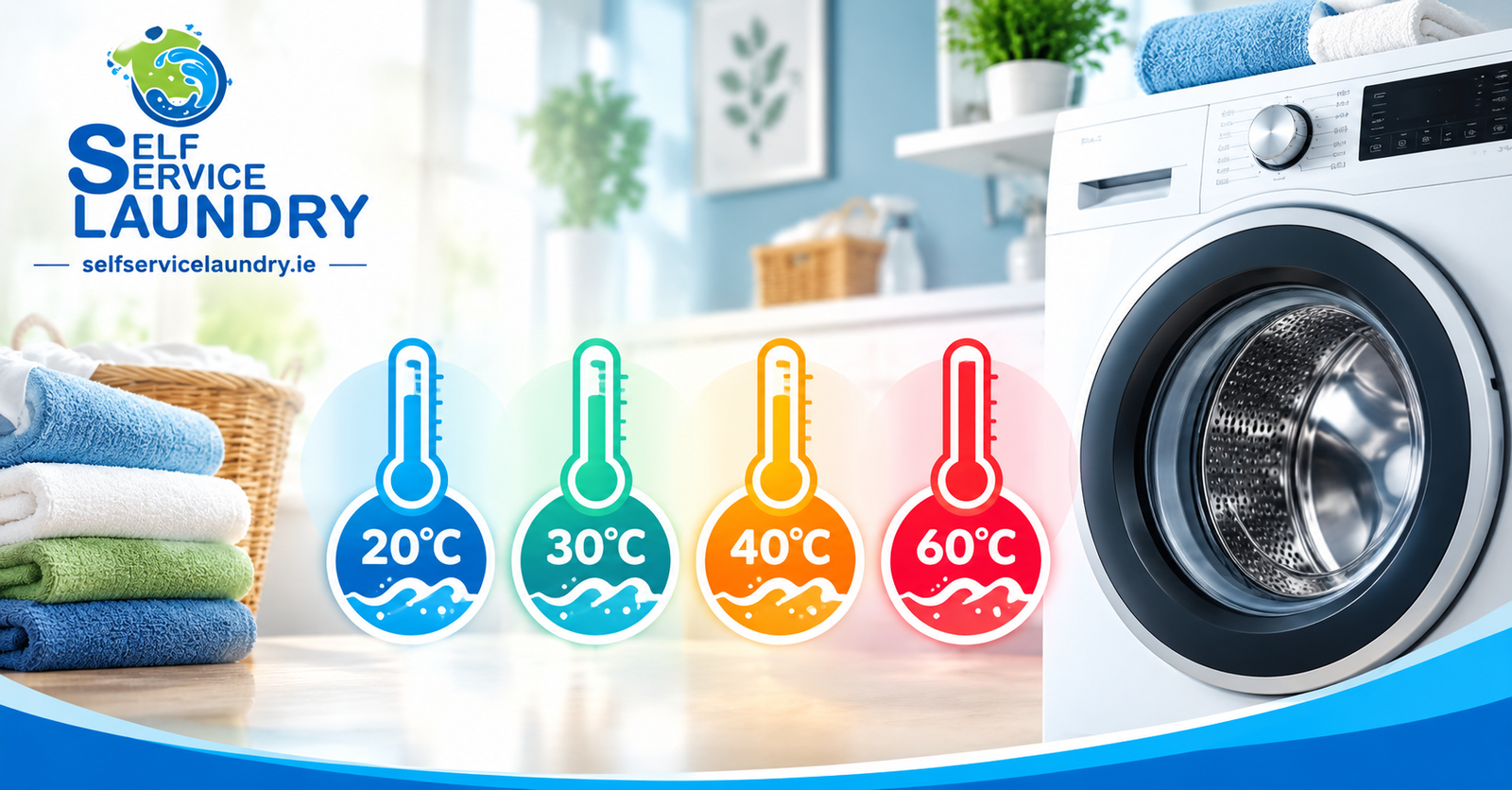
The correct temperature depends on the fabric, care label and level of soiling. Hotter is not automatically better, and some delicate materials may shrink or lose their shape at high temperatures.
For everyday clothing, a cool or warm cycle may be suitable when the care label permits it. Towels, bedding and some washable household items may require a warmer wash, especially when good laundry hygiene is important.
Always check garment care labels. A practical approach is:
- Use lower temperatures for delicate fabrics and lightly worn clothing.
- Use a warmer cycle for towels, bedding or heavily soiled washable items when permitted.
- Avoid washing clothes at temperatures that may damage fibres.
- Do not rely on temperature alone; use the correct cycle and detergent dosage.
People with sensitive skin do not necessarily need to wash every item at a high temperature. Thorough rinsing and complete drying are also important parts of washing clothes for sensitive skin.
Step 5: Rinse Clothes Thoroughly
A thorough rinse helps remove remaining detergent, body oils and loose dirt from fabric. If your washing machine offers an extra-rinse option, consider using it for underwear, bedding, towels or clothing worn close to the body.
Extra rinsing can be particularly useful when:
- You have used too much detergent by mistake.
- The load contains thick or absorbent fabrics.
- Clothes feel slippery, stiff or heavily scented after washing.
- You are washing garments for a child or someone with sensitive skin.
- The machine is heavily loaded.
Do not assume that adding more detergent will improve results. Correct dosing and a suitable load size generally support better rinsing than simply increasing the amount of product.
If you use a self service laundromat, check whether the selected programme includes a standard rinse and whether an extra-rinse setting is available. Read the machine instructions before paying, because programme options can vary. Planning the cycle in advance helps you avoid rushing through the wash.
Step 6: Keep Washing Machines Clean
A clean machine supports good laundry hygiene. Washing machines can collect detergent build-up, lint, hair and moisture, particularly around the door seal, detergent compartment and drum.
At home, useful habits include:
- Leaving the door open after a wash so the interior can dry.
- Cleaning the detergent drawer regularly.
- Wiping the door seal and removing trapped debris.
- Running a suitable maintenance cycle according to the manufacturer’s instructions.
- Avoiding unnecessary detergent overuse.
When using a commercial self service laundry dublin facility, choose a machine that appears clean and report any visible problem to staff. Do not place clean clothing on the floor or on visibly dirty surfaces. Use a clean laundry bag or basket to transport garments between the machine and your home.
Commercial machines are designed for frequent use and are cleaned and maintained as part of normal operations, but sensible handling still matters. Keep personal items off the floor and transfer clean laundry directly into a clean bag.
Step 7: Dry Clothes Completely
Damp clothing can develop an unpleasant smell and may become uncomfortable to wear. Dry garments thoroughly before folding or storing them.
When using a dryer:
- Follow the garment care label.
- Select a suitable heat setting for the fabric.
- Avoid overloading the dryer.
- Remove clothes promptly when the cycle finishes.
- Make sure thick items, waistbands and towels are dry inside as well as outside.
High-capacity dryers can be helpful for bedding, towels and larger family loads. At Self Service Laundry, 13 kg to 20 kg washers and dryers are available, making it easier to handle bulky laundry in fewer loads. Even so, do not pack the dryer too tightly, as air needs to circulate around the clothes.
For delicate fabrics, air drying may be more appropriate if you have space at home. Avoid storing clothing while it is still damp.
A Practical Skin-Friendly Routine
Here is a simple routine you can follow each time:
- Read the care labels and separate clothes by colour and fabric.
- Check pockets and close zips to protect garments.
- Choose a fragrance-free or sensitive-skin detergent where possible.
- Use the recommended amount rather than filling the dispenser unnecessarily.
- Load the machine without overfilling it.
- Select the correct temperature and cycle.
- Use an extra rinse when appropriate.
- Remove clothes promptly after washing.
- Dry everything thoroughly.
- Store clean laundry in a dry, clean place.
Advice for Families, Students and Tourists
Families often need to wash large amounts of clothing, towels and bedding. A self service laundromat with high-capacity machines can make larger loads more manageable, but sorting and correct dosing remain important. Wash baby clothes and items worn close to the skin with particular care, following the product and garment instructions.
Students living in shared accommodation may not have reliable access to a washing machine. Using a local self service laundry dublin facility can be convenient, especially when several loads have built up. Bring clean bags for transporting laundry and avoid leaving clean clothes in a damp pile.
Tourists staying in Dublin may need to wash clothing during a longer visit. A self service laundry dublin option near the city centre can be useful for refreshing everyday clothing, towels or travel items. Separate heavily soiled garments from delicate clothing and allow enough time for both the wash and drying cycle.
People living in apartments may have limited space for drying clothes. A self service laundromat with large dryers can help reduce indoor drying time. This is particularly practical for bedding and towels, which can take longer to dry on a small indoor rack.
Visit Self Service Laundry in Dublin 1
Self Service Laundry is located at Unit 5 Jervis Street, Dublin 1, D01 T2C2. The facility is open daily from 7:00 AM to 10:00 PM and provides self-service washing and drying only.
With 13 kg to 20 kg high-capacity washers and dryers, it is suitable for individuals, families, students, tourists and apartment residents managing larger loads. Free eco-friendly detergent and softener are included in every wash.
If you are looking for a convenient self service laundry dublin option, plan your load, follow the machine instructions and use the rinsing and drying settings that best suit your clothing.
Conclusion
A good laundry routine for sensitive skin is mainly about reducing unnecessary product build-up and handling clothes carefully. Choose suitable detergent, limit fragrance, avoid overloading, select the right temperature, rinse thoroughly and dry garments completely.
Whether you wash at home or use a self service laundry, these habits can make laundry simpler and more comfortable. For convenient washing and drying in Dublin 1, visit Self Service Laundry on Jervis Street during opening hours and make your next laundry day easier.
Frequently Asked Questions
1. What is the best detergent for sensitive skin?
A fragrance-free or sensitive-skin detergent is usually a suitable choice. Look for products without added dyes or strong perfumes, and always follow the recommended dosage. Using too much detergent can leave residue on clothes, so more product does not necessarily mean cleaner laundry.
2. Should I use fabric softener if I have sensitive skin?
It may be better to avoid fabric softener if you are trying to reduce fragrance and product build-up. Fabric softener can leave a coating on clothing, while some scented products may be uncomfortable for people with sensitive skin. At a self service laundry, check the machine instructions and avoid adding extra softener.
3. What temperature is best for washing clothes for sensitive skin?
The best temperature depends on the fabric care label and how soiled the clothes are. Cool or warm cycles are suitable for many everyday garments, while towels and bedding may require a warmer wash when permitted. Thorough rinsing and complete drying are just as important as temperature.
4. Is a self service laundromat suitable for people with sensitive skin?
Yes. A self service laundromat can be suitable when you choose the correct detergent and cycle, avoid overloading machines, rinse clothes thoroughly and dry them completely. If you are using a self service laundry dublin facility, bring clean laundry bags and follow the machine instructions to maintain good laundry hygiene.