We invest a lot of money into our wardrobes, choosing pieces that reflect our personal style and feel great to wear. Yet, many of us are inadvertently cutting the lifespan of our favorite garments short during the washing and drying process.
Even if you have been doing laundry for years, small habits can cause hidden wear and tear on fabrics. From stretched-out knits to faded colors, here are 10 common laundry mistakes that damage your clothes—and exactly how you can fix them.
1. Using Too Much Detergent
It is a common misconception that more bubbles equal cleaner clothes. In reality, pouring too much detergent into the drum creates an excess of suds. These suds trap dirt, bacteria, and odors, holding them against the fabric rather than washing them away. Over time, this leaves a dulling residue on your clothes, making them feel scratchy and stiff. Stick strictly to the recommended amount on the bottle—or slightly less if you are running a lighter load.
2. Forgetting to Zip Up Garments
Metal zippers, open clasps, and exposed hooks are secret assassins in your washing machine. As the drum spins, these sharp metal edges catch on delicate knits, lace, and cotton, causing snags, tears, and small holes. Before tossing anything into the hamper, take five seconds to zip up jeans, fasten bra hooks, and close any Velcro straps.
3. Washing Delicates Without a Mesh Bag
Items like underwear, lace blouses, and fine knits should never float freely alongside heavy items like denim or hoodies. The friction alone can distort their shape and fray the edges. Investing in a few inexpensive mesh laundry bags acts as a protective shield, keeping your delicate items safe from friction during the spin cycle.
4. Overloading the Machine
We have all been tempted to cram one last towel into a full load to save time. However, an overloaded washing machine prevents clothes from moving freely. Without proper movement, the detergent cannot distribute evenly, and the clothes cannot rub against each other effectively to lift stains. Furthermore, the excess weight strains the machine's motor and can cause uneven spinning, wrinkling your clothes severely.
5. Rubbing Stains Vigorously
When you spill coffee or wine on a shirt, your instinct is likely to scrub the spot furiously. Don't do it! Rubbing a fresh stain aggressively pushes the pigment deeper into the fabric fibers and can actually wear away the material, creating a prematurely thin patch or a hole. Instead, gently dab the stain from the outside inward using a clean, damp cloth and a dedicated stain remover.
6. Ignoring the Fabric Care Label
Those little white tags sewn into your clothes aren't just there to tickle your neck—they are a personalized instruction manual. Ignoring temperature warnings is a fast track to shrinking a wool sweater or melting synthetic blends. If a tag says "Cold Wash Only" or "Dry Flat," take it seriously.
7. Overusing Fabric Softener
While fabric softener makes your towels feel plush in the short term, it works by depositing a thin, waxy chemical coating over the fabric fibers. Over time, this buildup reduces the absorbency of towels and ruins the breathability of athletic sportswear and performance fabrics. Skip the softener every few loads, or swap it out entirely for a splash of white vinegar in the rinse cycle to naturally soften fabrics.
8. Mixing Dark Colors and Light Colors
It is an old rule, but it still stands. Even with modern "color catcher" sheets, washing a brand-new pair of dark indigo jeans with white t-shirts will result in dye transfer. Over time, failing to separate your laundry loads causes bright whites to turn a dingy gray and vibrant colors to lose their pop. Separate your laundry into three distinct piles: whites, brights, and darks.
9. Blasting Everything on High Heat in the Dryer
High heat is the ultimate enemy of fabric longevity. It breaks down the elastane in stretchy clothing (like skinny jeans, leggings, and swimwear), causing them to lose their shape permanently. It also bakes stains into fabrics and causes structural shrinkage. Whenever possible, use a medium or low heat setting, or opt to air-dry your most prized garments.
10. Leaving Clothes in the Drum Too Long
Life gets busy, and it is easy to forget a finished load of laundry. However, leaving wet clothes sitting in a dark, damp washing machine drum for hours creates a breeding ground for mold and mildew. Not only will your clothes smell musty, requiring another wash, but the dampness can weaken fabric fibers over time. Aim to transfer your clothes to the line or dryer within an hour of the cycle ending.
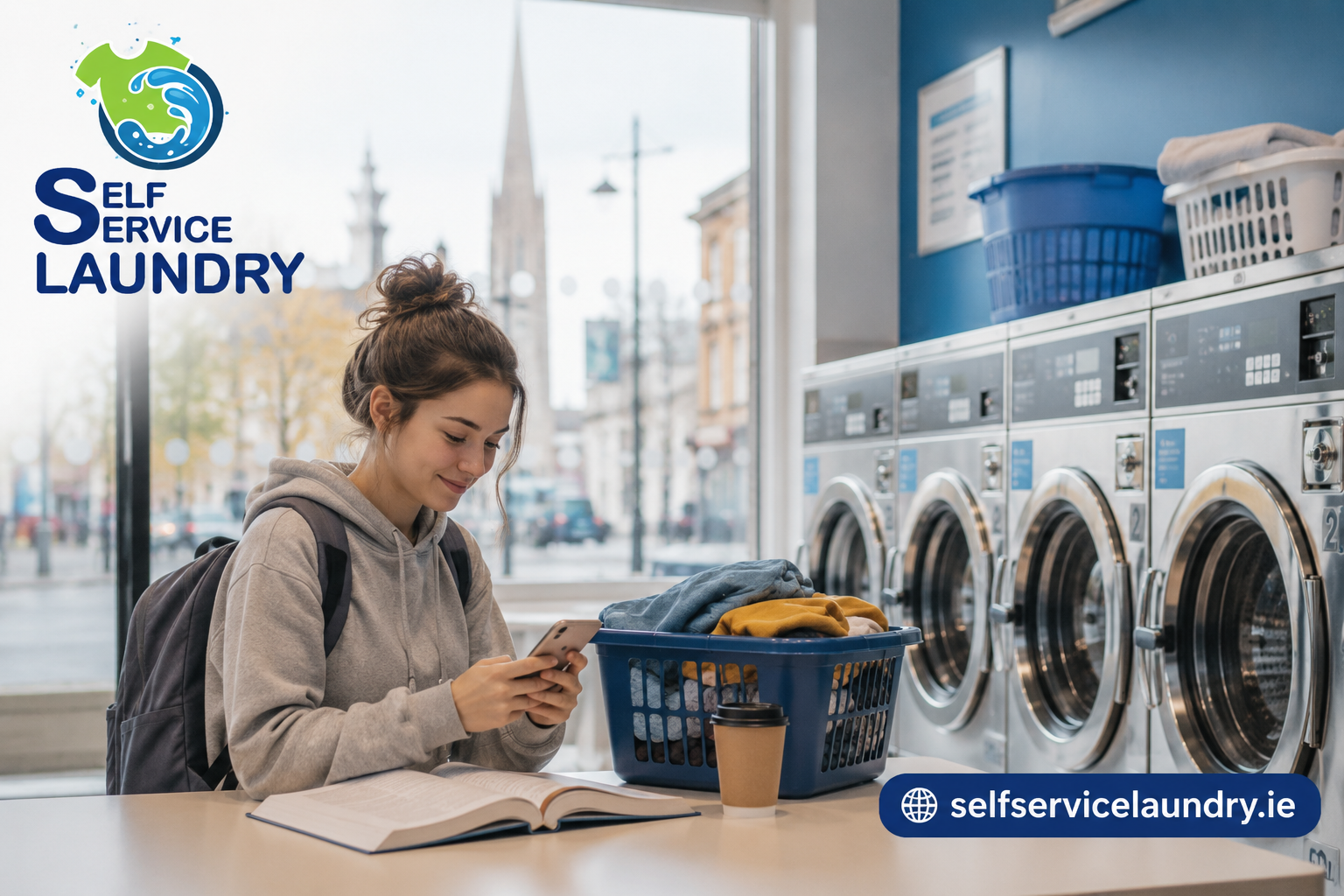
The Commercial Laundry Advantage: If you are struggling with bulky items like duvets, heavy blankets, or a massive backlog of family laundry, standard domestic machines often fall short. Commercial-grade washers and dryers—like those at Self Service Laundry —are engineered to provide a deeper, more even clean with precise temperature controls, significantly reducing the fabric wear and tear caused by cramped, domestic appliances.